What a PV Disconnect Schedule Should Include Before Tender
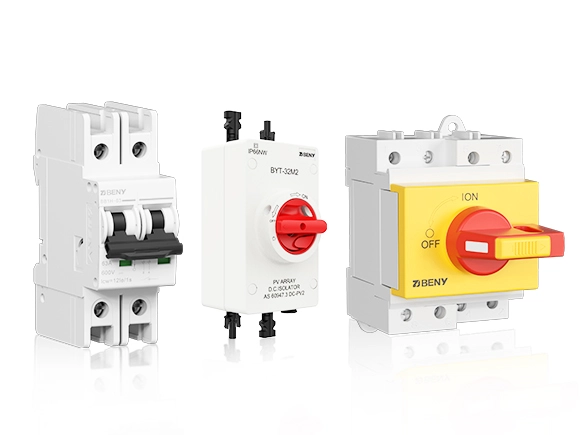
A tender that specifies a direct-current (DC) disconnect only by current rating invites different interpretations. One bidder may price a bare component, another an outdoor assembly and a third a device with a different switching duty. The prices appear comparable until the design team starts resolving what each offer actually includes.
A disconnect schedule prevents that problem by describing the job each device must perform and the evidence needed to accept it. It should be specific enough to support comparable quotations while leaving the supplier responsible for identifying the exact proposed model and its limitations.
Start with a circuit reference and a function
Every line in the schedule needs a device tag, location and drawing reference. State which circuit it serves and why it is included. An inverter service point and an array-area isolation point should not share an unexplained description simply because both contain a switch.
Define whether the intended function includes isolation, switching the operating load or another duty. Automatic fault interruption is a separate question. A supplier should not be expected to infer the required function from the general term “disconnect,” and an evaluator should not assume that a switch also provides overload protection.
Provide the electrical design inputs
The designer should supply the relevant maximum DC circuit voltage, operating current and circuit arrangement, together with the governing design assumptions. Require the bidder to identify the model's applicable ratings, connection diagram and any polarity or pole-configuration conditions.
Avoid filling an incomplete schedule with a generic multiplier or a rating copied from a neighboring project. In a hypothetical tender for two building roofs, a common handle style does not establish that both locations have the same circuit duty. Any unresolved design input should be a stated tender clarification, with an owner and a date for resolution.
Specify the installed arrangement
Describe the enclosure and mounting arrangement, cable-entry expectations, access and locking needs. Environmental requirements should address the actual site. An ingress rating alone does not settle every question about sun exposure, corrosion, condensation or temperature.
The BENY disconnect catalogue separates UL-labelled and IEC/AS-labelled groups. Require the bidder to name the offered model and respond to each schedule requirement; a family label is not enough. List any changed enclosure, connection arrangement or approval evidence beside the price so it can be evaluated before award.
Assign the interfaces before bids arrive
A workable schedule identifies who supplies the enclosure, makes the final device selection, coordinates upstream protection and checks cable accommodation. It also states who provides field labels and incorporates the equipment into the as-built drawing.
Include required deliverables in the bid: model datasheets, relevant installation instructions, applicable approval evidence and a clear list of deviations. If the supplier offers an assembled enclosure, ask for documentation addressing that assembly rather than only the component inside it. This makes a low price easier to evaluate against its actual scope.
Evaluate exceptions as technical changes
Use a comparison sheet that separates compliance, clarification and deviation. A different enclosure, altered pole arrangement or substituted model should remain visible until the design authority accepts it. “Equivalent current rating” is too narrow a basis for closing those items.
Keep accepted clarifications with the purchase record so the final order reflects the reviewed offer.
Before award, the schedule should tell a reviewer what is being bought, where it will operate and which evidence supports the selection. After award, it becomes a controlled record that can be checked against delivered equipment. That continuity is the practical benefit: fewer assumptions pass silently from the estimator to the installer and then to the maintenance team.